
Every guide on the site, one moment at a time: slow days, pauses and balance.
Slow DaysSlowing down in a busy life, calmer mornings, simpler evenings and a weekend reset.

How to Slow Down in a Busy Life: Small Changes Backed by Public Health Guidance
A practical starting point for slowing down without quitting your job or moving to the country: what stress does to the body according to the NIH, why sleep is the first thing busy people cut, how short bouts of movement count, why switching between tasks costs time, and where to begin this week.

Slow Mornings: How to Start the Day Without Rushing
How to build a calmer morning that starts the night before: a fixed wake-up time as the NHLBI recommends, enough sleep to wake up rested, timing coffee so it does not cost you the next night’s sleep, a few minutes of slow breathing or movement, and a morning plan with fewer decisions.
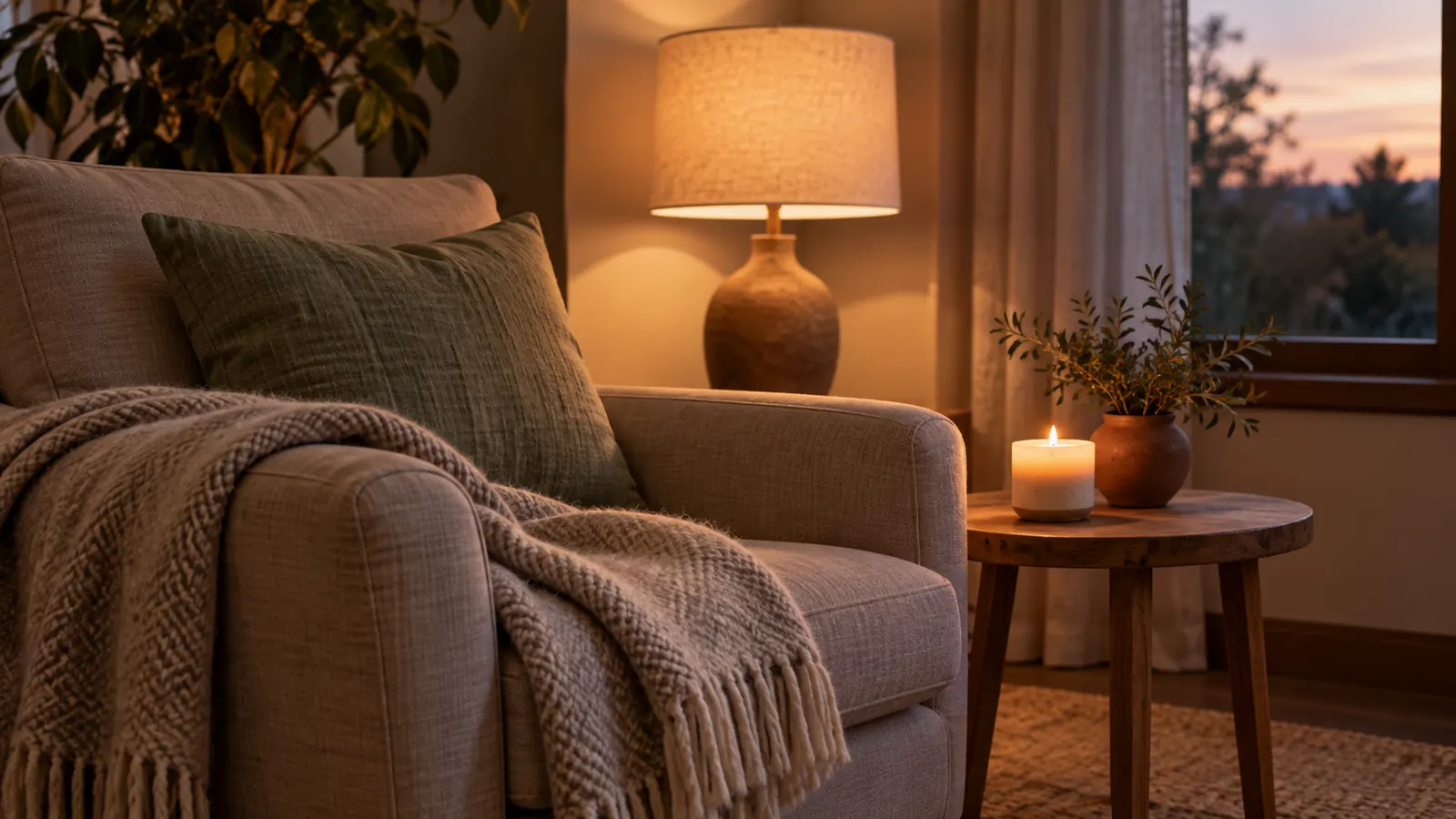
A Simpler Evening Routine: Winding Down the Way Sleep Experts Suggest
An evening routine built from NHLBI and CDC sleep guidance: a quiet last hour, screens off at least 30 minutes before bed, light meals and no alcohol close to bedtime, a cool and dark bedroom, relaxation techniques that may help, and what to do when evenings still feel wired.

A Weekend Reset Routine: Rest, Move, Tidy and Plan Without Losing the Weekend
How to use the weekend to recover from the week and set up the next one: keeping your sleep schedule within an hour, a nap rule from the NHLBI, getting outside and moving, airing out the house, time for people and hobbies, and a short Sunday plan.
PausesShort breaks at work, putting the phone down, breathing exercises and doing one thing at a time.

Short Breaks During the Workday: Move, Breathe and Reset Between Tasks
How to use short pauses during a desk-bound workday: why the CDC’s move more, sit less advice favors small bouts of activity, how 10-minute walks add up toward 150 minutes a week, a breathing break, a break between tasks instead of during them, and a sample day.
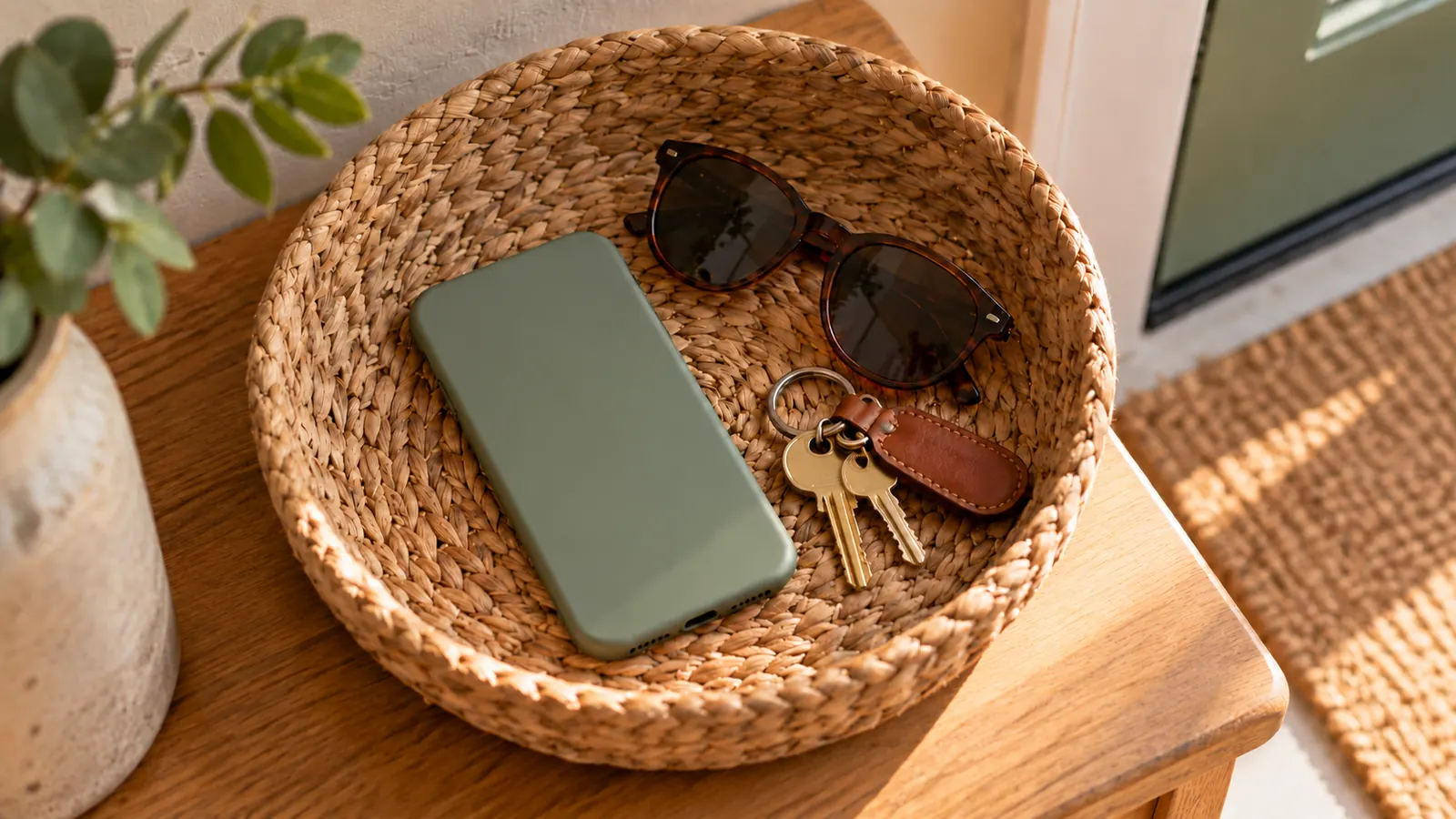
Taking a Phone Break: Simple Rules for the Car, the Bedroom and the Workday
Practical phone limits grounded in public guidance: the phone away while driving, with NHTSA’s figures on distracted driving; screens off at least 30 minutes before bed, as the CDC recommends; fewer switches between the phone and your work, per APA research; and how to set up phone-free zones that stick.

Breathing Exercises for Stress: What They Are, How to Do Them and What the Research Shows
A plain guide to slow, deep breathing and related relaxation techniques from the NIH’s National Center for Complementary and Integrative Health: what the relaxation response is, how to practice diaphragmatic breathing, what reviews have found on stress and blood pressure, safety notes, and when to seek help instead.

Single-Tasking Instead of Multitasking: What the Research on Switching Costs Shows
Why doing one thing at a time often gets more done, based on the task-switching research summarized by the American Psychological Association: what switch costs are, why they grow with complex and unfamiliar tasks, the 40 percent estimate, where multitasking is dangerous, and a simple way to single-task at work and at home.
BalanceMindful walking, time in nature, sleep habits and making room for hobbies.

Mindful Walking: How to Turn an Ordinary Walk Into a Pause
How to combine two well-supported habits, walking and mindfulness: what NCCIH means by mindfulness and what the evidence suggests, how walking counts toward the CDC’s weekly activity goal, a step-by-step mindful walk, and simple routes and safety habits.

Spending Time in Nature: Getting Outdoors When Most of Life Happens Inside
Why and how to spend more time outside, drawing on the EPA’s figures on time indoors, the National Park Service’s Healthy Parks Healthy People program, CDC activity guidance and NIA’s suggestions for outdoor hobbies, with practical ideas for city dwellers and a note on what the research does not yet prove.

Sleep Habits for a Calmer Life: How Much You Need and How to Get It
The core sleep guidance from the CDC and the NHLBI in one place: recommended hours by age, what sleep deficiency means, the habits that improve sleep, a 20-minute nap limit, help for shift workers, and the signs that it is time to see a health care provider.

Making Time for Hobbies: Finding Room for What You Enjoy
How to fit hobbies into a full schedule, drawing on the National Institute on Aging’s guidance on meaningful activities: what doing things you enjoy is linked to, ideas from crafts to volunteering, how to start small, where to find classes and groups, and how hobbies can replace screen time in the evening.