
Slow DaysA 4-minute read
Evenings tend to fill up by accident: the last emails, a show that becomes three, a late snack, one more scroll. A simpler routine is not about adding rituals. It is about subtracting the things that keep you alert when you want to wind down. The guidance below comes from the National Heart, Lung, and Blood Institute and the CDC.
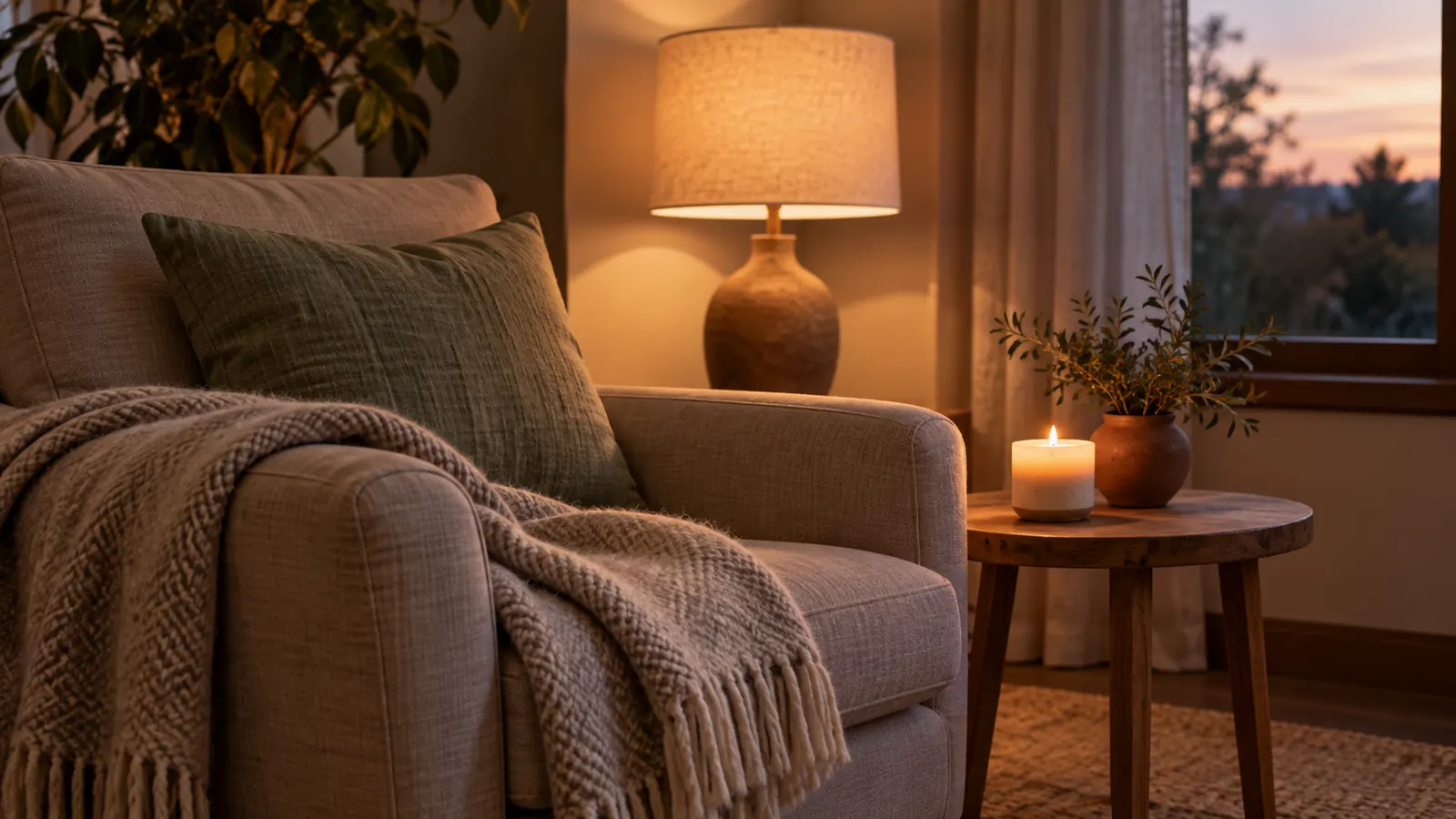
The last hour is quiet time
The NHLBI’s advice is specific: use the hour before bed for quiet time. Avoid intense exercise and bright artificial light, such as from a TV or computer screen, because the light may signal the brain that it is time to be awake. The CDC sets a clear line for devices: turn off electronic devices at least 30 minutes before bedtime.
| Time before bed | Suggested | Better to skip |
|---|---|---|
| 2 to 3 hours | A light dinner, finished | Heavy or large meals |
| 1 hour | Dim lights, tidy up, quiet activities | Intense exercise, bright screens |
| 30 minutes | Devices off; read on paper, stretch, breathe | Phones, laptops, TV |
| At bedtime | Cool, quiet, dark bedroom | Alcohol, caffeine, nicotine |
Food, drink and stimulants
The NHLBI recommends avoiding heavy or large meals within a few hours of bedtime, adding that a light snack is okay, and avoiding alcoholic drinks before bed. Nicotine and caffeine are stimulants that can interfere with sleep, and caffeine’s effects can last up to 8 hours. The CDC’s list is similar: avoid large meals and alcohol before bedtime, and avoid caffeine in the afternoon or evening.
Set up the bedroom once
Much of a good evening routine is done in advance. The NHLBI says to keep the bedroom quiet, cool and dark, with a dim night light if needed. The CDC adds relaxing to that list. Thick curtains, a fan or a cooler thermostat setting, and a lamp instead of an overhead light are one-time changes that make every evening easier.
Tip: Give the phone a bedtime too. Charge it outside the bedroom and use a plain alarm clock. Then the 30-minute device rule happens by default instead of by willpower.
Something to do instead
It helps to plan what replaces the screens. Calm options include tidying the kitchen, laying out tomorrow’s clothes, a warm shower, reading a paper book, light stretching, or a hobby that keeps your hands busy; see Making Time for Hobbies: Finding Room for What You Enjoy.
Relaxation techniques, honestly described
NCCIH lists several relaxation techniques: progressive muscle relaxation, where you tense and release muscle groups; guided imagery, where you picture calm scenes; autogenic training; and slow, deep breathing. They are generally considered safe for healthy people, though NCCIH notes that people occasionally report negative experiences such as increased anxiety.
On sleep specifically, the evidence is modest. NCCIH reports that relaxation techniques on their own do not seem especially promising for sleep, although they can be one part of cognitive behavioral therapy for insomnia, which the American College of Physicians recommends as the first treatment for chronic insomnia. Mindfulness meditation has better support: a 2019 analysis of 18 studies found it improved sleep quality more than education-based treatments. Use these practices because they help you unwind, not as a cure; breathing methods are in Breathing Exercises for Stress: What They Are, How to Do Them and What the Research Shows.
Signs your evenings are costing you sleep
The CDC lists three signs of poor sleep quality: trouble falling asleep, repeatedly waking up during the night, and feeling sleepy or tired even after getting enough sleep. The NHLBI describes what short sleep does the next day: it can make it hard to learn, focus and react, harder to judge other people’s emotions, and can leave you feeling frustrated, cranky or worried in social situations. If those sound familiar, the habits above are the place to start, and the next section covers what to check.
When evenings still feel wired
- Check the afternoon: a late coffee or tea may still be working.
- Check the schedule: going to bed at very different times on different nights works against your body clock, the NHLBI says.
- Keep a sleep diary for two weeks. The CDC suggests noting when you go to bed, wake in the night, wake in the morning, nap, exercise, drink alcohol or caffeine, and take medication.
- Talk to a health care provider if you regularly have trouble sleeping. The CDC notes that insomnia, restless legs syndrome, narcolepsy and sleep apnea are common sleep disorders.
Connect the two ends of the day
The two ends of the day are linked: the NHLBI recommends the same bedtime and wake-up time every day, because irregular hours can disrupt your body clock’s sleep-wake rhythm. Read Slow Mornings: How to Start the Day Without Rushing for the morning side, and Sleep Habits for a Calmer Life: How Much You Need and How to Get It for the full set of sleep recommendations.